

Last update: 01/21/2026
BeenVerified and TruthFinder are on everyone’s lips, but which people search website should you trust? We’ve tested and compared both to help you decide. Read on to discover the differences in features, pricing, and accuracy.
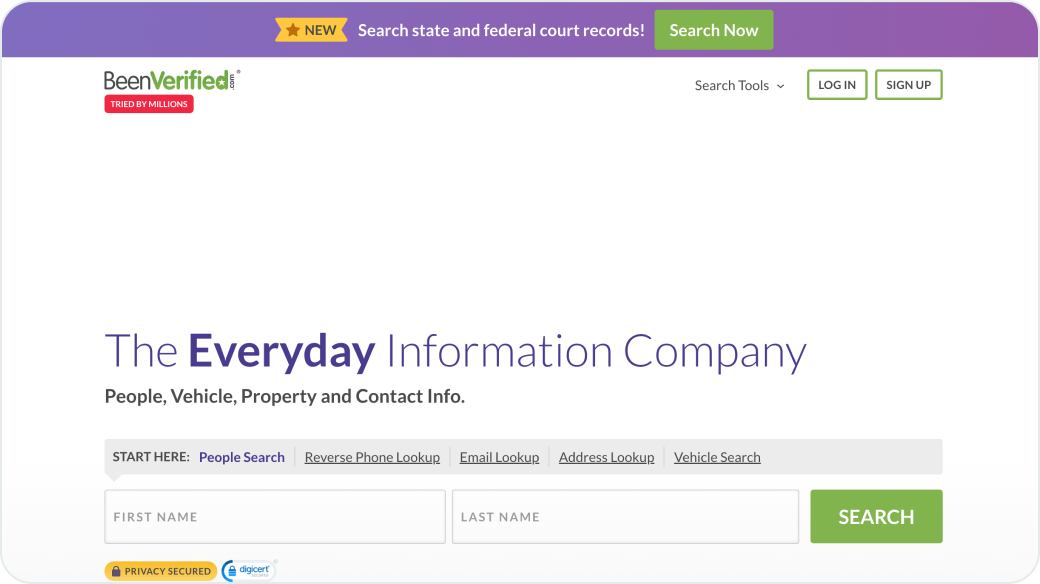

BeenVerified
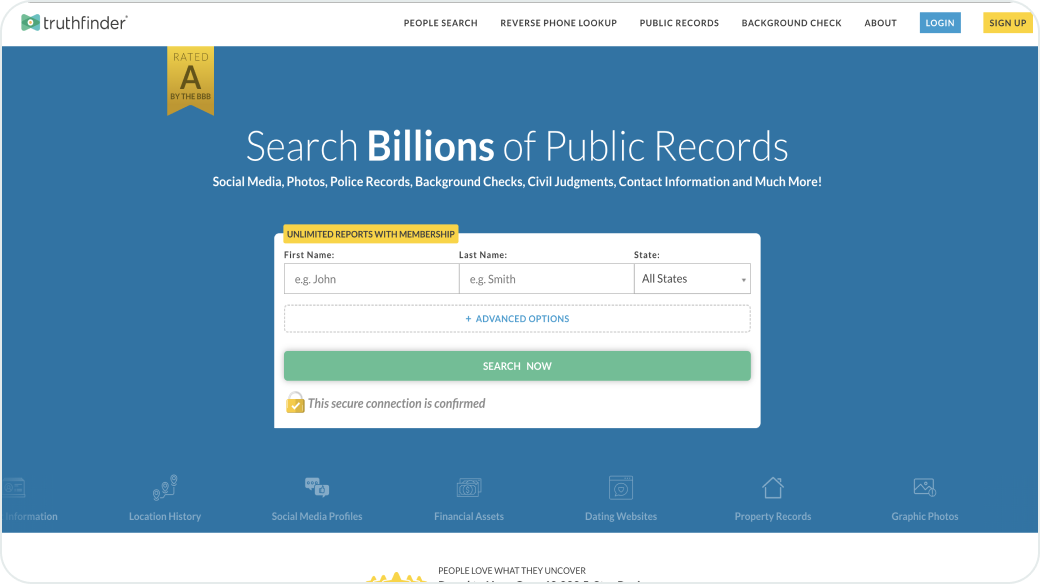

TruthFinder
Searqle is the people search alternative you were looking for.
Try it for instant results!

BeenVerified
TruthFinder
BeenVerified is a legitimate people search engine and background check service that has been operating since 2007. The service claims its mission is to provide users with in-depth information, which is often locked behind hefty fees. It allows users to run six search types, alongside the standard searches by name, phone number, address, and email. It’s helpful for anyone who wants to reconnect with loved ones, vet potential dates, research a neighborhood, or identify unknown callers.
Launched in 2015, TruthFinder is a service that searches public records online. It is primarily known for its comprehensive background checks, although it also offers reverse search capabilities using a name, phone number, or email address. The platform is designed for individuals who need to access a wide range of information about someone, from their contact details and address history to their social media presence and criminal past.
Key Features
- Background search, both basic and detailed - Lookups by phone, email, and physical address - Vehicle history reports - Username search
- Comprehensive background reports - Access to criminal, arrest, and traffic histories - People search function using a name and location - Reverse phone lookup tool - Dark web monitoring service
User Experience
BeenVerified is simple to use and navigate. Users find the minimalistic design convenient for searches, though it takes longer than other services. The reports usually cover a lot of information but sometimes lack up-to-date details.
TruthFinder's website is designed for simplicity, allowing users to start a background check with ease. You begin by entering the known information, and the system then asks clarifying questions to help narrow down the search results. While you can see some basic information for free, the more extensive data, such as past residences, family members, and employment history, is only available within the paid reports.
Pricing and Plans
- 1-month membership at $36.89/month - 3-month subscription billed at $23.98 monthly
The service operates on a subscription model, with no option to buy individual reports. The monthly subscription costs approximately $28.05 and is billed every two months. You can perform basic searches at no charge.
Pros
- Affordable for regular, frequent searches - Mobile app for Android and iOS devices - Support team available seven days a week
- Reports pull data from federal, state, and county sources for thoroughness - Provides some initial details without requiring payment - Includes a dark web scan to help protect your personal information
Cons
- No per-report pricing - Subscription is difficult to cancel - Somewhat lengthy process
- Search processes can be time-consuming - You cannot purchase a single, one-off report - The service is limited to searches within the United States
Conclusion
BeenVerified is worth trying for its convenient interface and depth of information. That said, it works better for frequent, regular lookups. Casual users looking for one-off reports may want to consider other options.
TruthFinder is a solid choice for those who need to run detailed background checks on a recurring basis and are willing to wait for the results. It is important to note that the service is intended for personal use only, as it is not compliant with the Fair Credit Reporting Act (FCRA) and cannot be used for official screening purposes.
Got more questions about BeenVerified and TruthFinder?
BeenVerified is like a broader people-search tool: you’ll get contact info, email/phone lookups, property info, and a quick report. TruthFinder leans into deeper background scans; criminal records, address history, and dark-web monitoring are more central. If you’re just trying to find someone’s basic info fast, BeenVerified might win on speed. But if you want deeper digs and more detail (and don’t mind waiting a bit), TruthFinder often delivers more.
It's not black and white. Some users say TruthFinder pulls more accurate and deeper results (especially on criminal history), but it takes longer. BeenVerified is reliable for general contact information and property data, which helps for quick lookups. TruthFinder tends to be more accurate with deeper background records, especially when we’re looking for older or more detailed information. When we put them side by side, BeenVerified offers steady broad accuracy, while TruthFinder uncovers details lightweight tools often miss. So if we want the deepest accuracy possible, TruthFinder typically has the advantage.
You can test both tools with limited previews, but accessing full reports requires a paid plan. BeenVerified sometimes shows slightly more upfront before asking us to subscribe, while TruthFinder usually keeps the details locked. When comparing them, neither one provides enough free information to complete a serious search. Their free tiers are more like previews that show us what we could unlock later. In the end, full use requires payment for both.
Yes — both services are legitimate and commonly used for personal background lookups. They rely on public data, so we’re not accessing anything private or off-limits. When we look at them side by side, the main difference is how deeply they search, with TruthFinder offering more layers that need responsible use. Neither tool should be used for formal hiring or tenant decisions unless they explicitly state compliance. Used properly, both are safe and reliable.
BeenVerified typically makes cancellation a bit easier, especially when we do it directly through the account dashboard. TruthFinder also allows easy cancellation, but depending on how we subscribed, the process may require an extra confirmation step. When we compare both, BeenVerified feels more straightforward. TruthFinder isn’t difficult but can feel slightly slower. So, for convenience, BeenVerified has a small edge.
Both services support opt-out requests, but the experience isn’t identical. BeenVerified usually processes removals faster and requires fewer steps. TruthFinder handles removals too, but because it collects deeper data, the process may take longer or need follow-up. When we compare them, BeenVerified is generally more streamlined. If quick removal is our priority, BeenVerified tends to be easier.
Still deciding between the two?
Searqle is the alternative you’ve been missing. Find anyone by number, run background checks, and protect yourself from data leaks. Do it all on one reliable people search website.
START YOUR SEARCH


